High-Voltage Batteries: Powering Sustainable Energy for a Smart Future
In the quest for a sustainable future, high-voltage batteries have emerged as a cornerstone of energy innovation. These advanced energy storage systems are driving the transition to renewable energy, enabling smarter technologies, and supporting the global push toward sustainability. This blog delves into the role of high-voltage batteries in powering sustainable energy, their applications, and their impact on a smart future.
The Need for Sustainable Energy
The world is facing an urgent need to transition from fossil fuels to renewable energy sources. Climate change, resource depletion, and rising energy demands have made it imperative to adopt sustainable energy solutions. High-voltage batteries play a critical role in this transition by providing efficient energy storage and enabling the integration of renewable energy sources like solar and wind into the grid.
What Are High-Voltage Batteries?
High-voltage batteries are energy storage systems designed to operate at higher voltages, typically above 400 volts. These batteries are known for their ability to store and deliver large amounts of energy efficiently. They are commonly used in applications that require high power output, such as electric vehicles (EVs), renewable energy systems, and industrial equipment.
Key Features of High-Voltage Batteries
High-voltage batteries offer several features that make them ideal for sustainable energy applications:
1. High Energy Density
These batteries can store a significant amount of energy in a compact form, making them suitable for space-constrained applications.
2. Fast Charging
High-voltage batteries support rapid charging, reducing downtime and improving efficiency.
3. Long Lifespan
With advanced materials and designs, these batteries offer extended lifespans, reducing the need for frequent replacements.
4. Scalability
High-voltage batteries can be scaled to meet the energy demands of various applications, from small devices to large industrial systems.
5. Safety Features
Modern high-voltage batteries are equipped with safety mechanisms to prevent overheating, overcharging, and short circuits.
Applications of High-Voltage Batteries
High-voltage batteries are transforming multiple industries by enabling sustainable energy solutions:
1. Electric Vehicles (EVs)
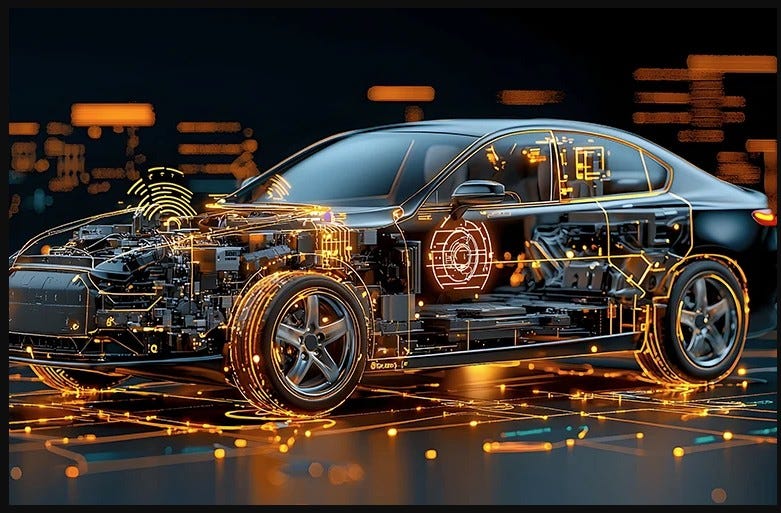
High-voltage batteries are the backbone of EVs, providing the energy needed for long-range travel and high performance. They are also critical for reducing greenhouse gas emissions in the transportation sector.
2. Renewable Energy Storage
These batteries store energy generated from renewable sources like solar and wind, ensuring a stable and reliable power supply even when the sun isn’t shining or the wind isn’t blowing.
3. Smart Grids
High-voltage batteries are integral to smart grids, enabling efficient energy distribution, load balancing, and demand response.
4. Industrial Applications
Industries use high-voltage batteries for backup power, peak load management, and energy optimization.
5. Residential Energy Storage
Homeowners are increasingly adopting high-voltage batteries to store solar energy, reduce reliance on the grid, and lower energy costs.
Advantages of High-Voltage Batteries in Sustainable Energy
High-voltage batteries offer several advantages that make them indispensable for sustainable energy systems:
1. Enhanced Efficiency
Operating at higher voltages reduces energy losses, improving overall system efficiency.
2. Reduced Carbon Footprint
By enabling the use of renewable energy and reducing reliance on fossil fuels, these batteries contribute to a lower carbon footprint.
3. Energy Independence
High-voltage batteries allow individuals and businesses to generate and store their own energy, reducing dependence on centralized power grids.
4. Support for Electrification
These batteries are driving the electrification of transportation, industries, and homes, paving the way for a cleaner future.
5. Grid Stability
By storing excess energy and releasing it during peak demand, high-voltage batteries help stabilize the grid and prevent blackouts.
Challenges in High-Voltage Battery Adoption
Despite their numerous benefits, high-voltage batteries face several challenges:
1. Cost
The high initial cost of these batteries can be a barrier to adoption, particularly for small businesses and households.
2. Resource Availability
The production of high-voltage batteries relies on materials like lithium and cobalt, which are limited in supply and often sourced from regions with ethical concerns.
3. Recycling and Disposal
End-of-life management of high-voltage batteries is a significant challenge, requiring efficient recycling processes to minimize environmental impact.
4. Safety Concerns
While modern batteries are equipped with safety features, the risk of thermal runaway and other hazards remains a concern.
5. Technological Limitations
Ongoing research is needed to improve the energy density, lifespan, and performance of high-voltage batteries.
The Future of High-Voltage Batteries
The future of high-voltage batteries is bright, with several advancements on the horizon:
1. Solid-State Batteries
Solid-state batteries promise higher energy density, faster charging, and improved safety compared to traditional lithium-ion batteries.
2. Advanced Materials
Research into new materials, such as silicon anodes and lithium-sulfur chemistries, is expected to enhance battery performance.
3. Recycling Innovations
Innovative recycling techniques are being developed to recover valuable materials from used batteries, reducing environmental impact.
4. Integration with AI
Artificial intelligence can optimize battery performance, predict maintenance needs, and enhance safety.
5. Global Collaboration
International efforts to standardize battery technologies and promote sustainable practices will drive the adoption of high-voltage batteries.
Conclusion
High-voltage batteries are at the forefront of the sustainable energy revolution. By enabling the efficient storage and use of renewable energy, these batteries are powering a smarter, cleaner, and more sustainable future.
From electric vehicles to smart grids, high-voltage batteries are transforming industries and paving the way for a world that relies less on fossil fuels and more on renewable energy. To learn more about how high-voltage batteries are shaping the future of sustainable energy, visit High-Voltage Batteries: Powering Sustainable Energy for a Smart Future.
This blog highlights the critical role of high-voltage batteries in driving sustainable energy solutions and their potential to revolutionize industries. By addressing challenges and embracing innovations, we can unlock the full potential of these advanced energy storage systems.


Comments
Post a Comment