The Confluence of Cloud Computing and IoT: A Technical Analysis
In the ever-evolving landscape of technology, the synergy between cloud computing and the Internet of Things (IoT) has become a pivotal force driving innovation and transformation. This article delves into the intricate technical facets of how cloud computing augments IoT,role of cloud in iot- emphasizing its role in facilitating data management, scalability, security, cost-efficiency, analytics, remote device management, and global accessibility.
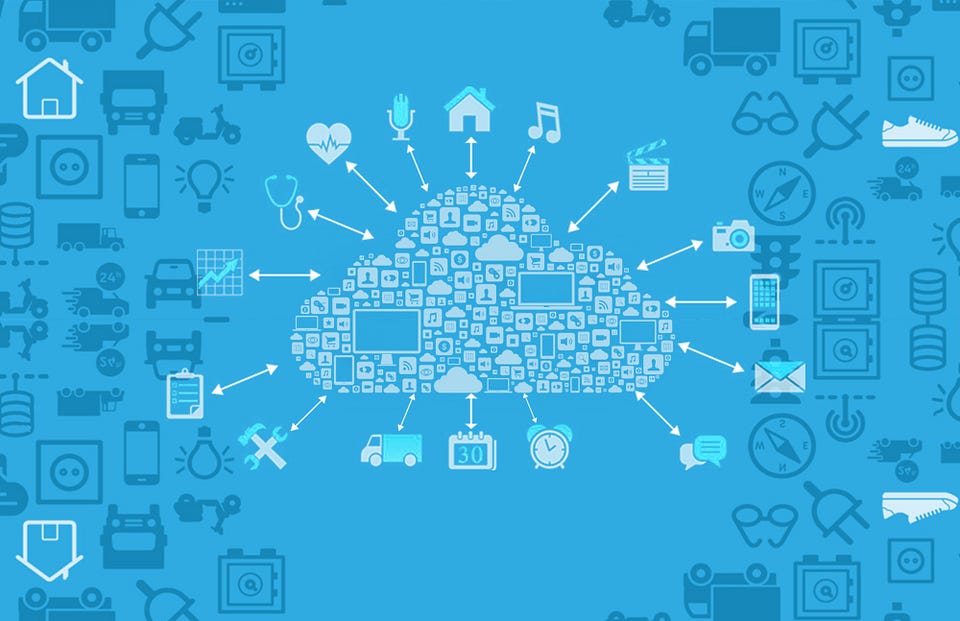
Data Management and Analysis At the core of IoT lies data — voluminous streams of data generated incessantly by connected devices. Cloud computing serves as the central nexus for this data, offering secure, high-capacity storage, real-time data processing, and advanced analytics capabilities. IoT data is efficiently aggregated and analyzed in the cloud, enabling businesses to derive actionable insights from the wealth of information generated by devices.
Scalability and Elasticity The inherent dynamism of IoT deployments demands an infrastructure capable of seamless scalability. Cloud computing caters to this need with its elastic resources, allowing IoT ecosystems to swiftly adapt to fluctuations in device connections and data volume. The ability to elastically allocate resources ensures that IoT applications can efficiently manage peak workloads without significant capital investments.
Robust Security Measures Security is paramount in IoT, as interconnected devices introduce potential vulnerabilities. Encryption, authentication, and access control mechanisms are meticulously implemented to safeguard IoT data and device communications. Offloading security responsibilities to trusted cloud providers empowers IoT developers to concentrate on core functionality while maintaining robust security.
Cost-Effective Scalability The pay-as-you-go model of cloud services optimizes cost efficiency in IoT deployments. This financial model reduces upfront capital expenditures and enables businesses to align costs with actual resource consumption. Notably, this economic advantage benefits startups and small to medium-sized enterprises, allowing them to participate actively in the IoT revolution without incurring prohibitive infrastructure costs. IoT-generated data can be subjected to complex data processing pipelines, enabling predictive maintenance, anomaly detection, and informed decision-making. Cloud-hosted analytics tools empower businesses to extract maximum value from their IoT data reservoirs.
Remote Device Management IoT devices often necessitate remote management, which cloud computing seamlessly facilitates. This remote device management capability not only enhances operational efficiency but also ensures devices are continually updated to address security vulnerabilities and improve functionality.
Global Accessibility Cloud services offer ubiquitous global accessibility. This attribute is indispensable for IoT deployments spanning diverse geographical regions. Data sourced from IoT devices across the globe is effortlessly centralized, processed, and disseminated to authorized users, transcending geographical boundaries.
In summation, the intricate interplay between cloud computing and IoT is the linchpin of technological evolution. Its technical intricacies in data management, scalability, security, cost optimization, advanced analytics, remote device management, and global accessibility are foundational to the transformative potential of IoT across industries. As IoT continues its relentless progression, the symbiosis between cloud computing and interconnected devices will remain a driving force, propelling us toward an era of unprecedented technological innovation and efficiency.


Comments
Post a Comment